
In December 2019, an epidemic of viral-like pneumonia appeared in the city of Wuhan in China. On January 7, 2020, Covid-19, a new coronavirus was discovered and a link was established between the virus and the cases of pneumonia identified.
Reminder of the Covid-19 coronavirus
Coronaviruses have been known viruses for a long time in humans as well as in animals. Most of the time they cause mild illnesses like colds. However, some coronaviruses lead to more serious diseases such as severe acute respiratory syndrome (SARS) or Middle East respiratory syndrome (MERS) which appeared in 2012 in Saudi Arabia.
The current virus is called Covid-19. It is a new coronavirus which was discovered on January 7 , after several cases of viral pneumonia appeared in China in the city of Wuhan. The first people affected by the Covid-19 went to the market in Wuhan, where live animals were sold. The zoonosis track (a disease which is transmitted from animals to humans) is therefore privileged to define the origin of the virus, although it has not yet been confirmed.
What should I do if I return or find myself in a risk zone?
The risk areas are currently mainland China, Hong Kong, Macao, Singapore, Iran, as well as the Lombardy and Veneto areas in Italy. There are also foci of contamination in several regions of France.
If you are or return from a risk zone, it is advisable for 14 days:
- take your temperature twice a day
- to wear a mask in the presence of other people
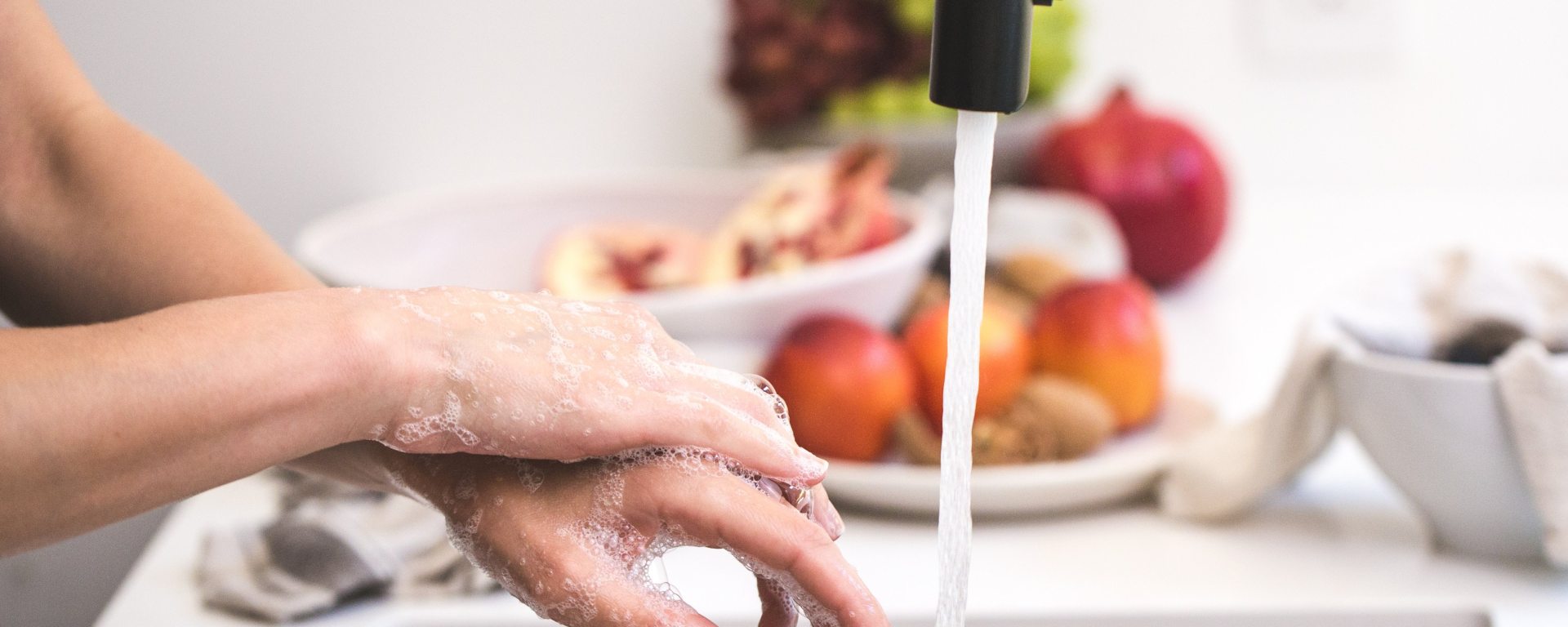
- to wash your hands regularly
- limit contact with others
| In case of symptoms (fever, cough, tiredness, difficulty breathing) call 15 (SAMU). Do not go directly to the emergency room or to a doctor, as this may spread the virus. |
How is Covid-19 transmitted?
The virus is mainly transmitted by postillions (coughing and sneezing) or during direct contact (by kissing each other for example). It is also transmissible through close contact (as when sharing the same place of life) and through contaminated objects. There are many measures to minimize its transmission .
How to protect yourself from coronavirus?
In order to protect yourself from the coronavirus, the same protective measures as for the flu are to be taken:
- Wash your hands regularly
- Sneeze and cough in his elbow
- Use tissues which are then discarded after use
- Avoid people at risk
Should we wear a mask?
The Ministry of Health recommends wearing the mask only for people with symptoms to avoid the spread of the virus.
What are the symptoms of coronavirus?
The symptoms of Covid-19 are fever above 38 ° C, fits of dry cough, very tired and muscle pain.
In more severe cases, breathing difficulties as well as kidney failure may appear, especially in people with chronic diseases or in the elderly.
It is also known that some patients have reported loss of taste and smell, which are classic symptoms of a viral respiratory infection, of which the coronavirus is a part.
Source: JT 19.45 on M6
| These symptoms are also those of the flu and flu-like conditions. If you haven’t been to China, Singapore, South Korea, Iran, or the Lombardy and Veneto regions of Italy recently, there’s no reason to panic.As well as if you have not been in contact with a person with Covid-19 in one of the homes currently active in France. For more information on the Covid-19, you can contact the toll-free number 0 800 130 000 24 hours a day, 7 days a week. |
 CNET NEWS BLOG